Utility Basin Installation in Denver, CO
Utility basin installation services involve setting up essential underground containers that manage and direct water flow across a property. These systems are commonly used for drainage, stormwater management, and irrigation projects, helping to prevent flooding and maintain proper water runoff. Property owners often request this service when constructing new outdoor spaces, improving existing drainage systems, or preparing a site for landscaping. Understanding the scope of the project, including the size of the property, the type of soil, and the intended use of the basin, can help ensure the installation meets specific needs effectively.
Before requesting utility basin installation, property owners should consider factors such as the location of existing underground utilities, local regulations or permits required, and the drainage patterns of the property. It is also helpful to have a clear idea of the desired capacity and the types of materials preferred for the basin. Proper planning and information about the property's terrain and water management goals can contribute to a successful installation that effectively addresses drainage concerns and supports future landscaping or construction plans.
Many property owners in Denver, CO look into Utility Basin Installation for repairs, replacements, upgrades, and appearance-related improvements.
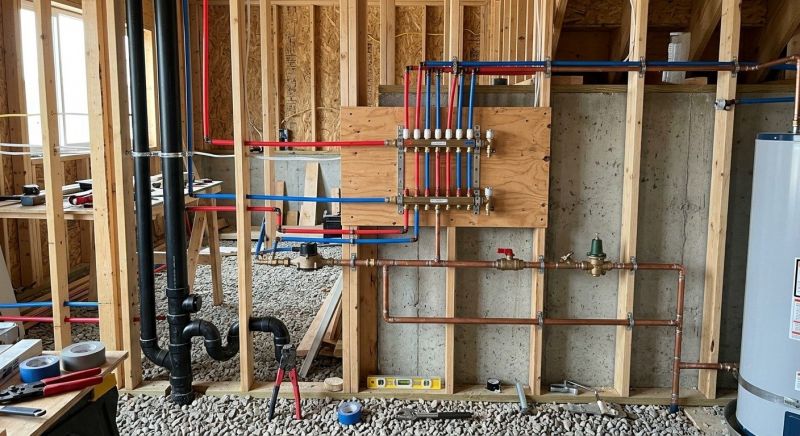
Utility Basin Functionality
Proper utility basins help manage water flow and prevent property flooding.
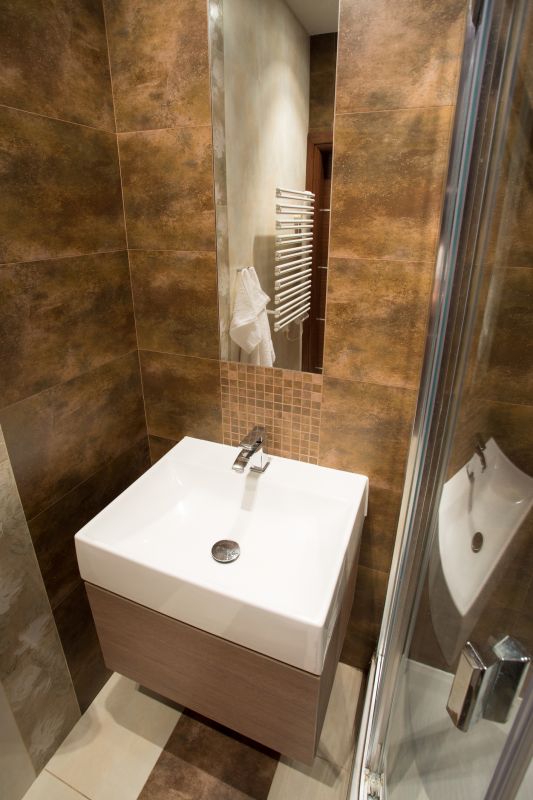
Installation Considerations
Selecting the right basin size and placement is essential for effective drainage.
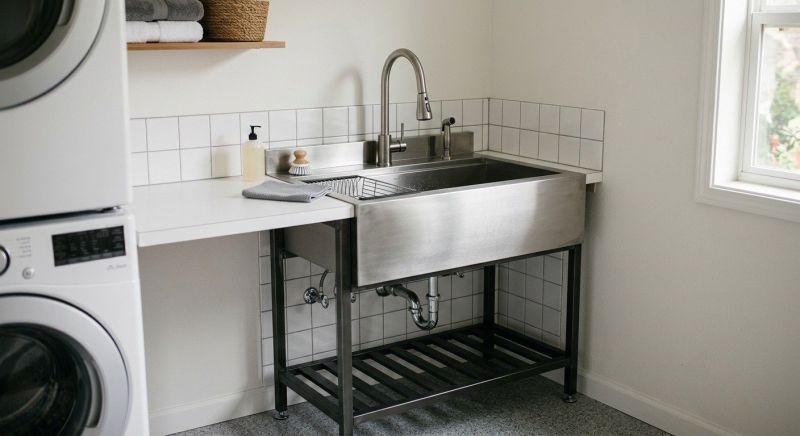
Maintenance And Care
Regular inspection and cleaning ensure utility basins operate efficiently in denver properties.
Utility Basin Installation in Denver, CO
Utility basin installation services involve setting up essential underground containers that manage and direct water flow across a property. These systems are commonly used for drainage, stormwater management, and irrigation projects, helping to prevent flooding and maintain proper water runoff. Property owners often request this service when constructing new outdoor spaces, improving existing drainage systems, or preparing a site for landscaping. Understanding the scope of the project, including the size of the property, the type of soil, and the intended use of the basin, can help ensure the installation meets specific needs effectively.
Before requesting utility basin installation, property owners should consider factors such as the location of existing underground utilities, local regulations or permits required, and the drainage patterns of the property. It is also helpful to have a clear idea of the desired capacity and the types of materials preferred for the basin. Proper planning and information about the property's terrain and water management goals can contribute to a successful installation that effectively addresses drainage concerns and supports future landscaping or construction plans.
Many property owners in Denver, CO look into Utility Basin Installation for repairs, replacements, upgrades, and appearance-related improvements.
Common Utility Basin Installation Jobs
Utility Basin Installation - Properly installed basins ensure reliable water flow and drainage for residential properties.
Utility Basin Installation - This service supports the installation of underground water and sewer systems for new construction or renovations.
Utility Basin Installation - Proper placement and depth are essential for preventing flooding and ensuring long-term performance.
Utility Basin Installation - The work includes connecting basins to existing utility lines for seamless integration.
Utility Basin Installation - It involves excavating, setting, and securing basins to meet local codes and property needs.
Utility Basin Installation - Professional installation helps protect property foundations and landscaping from water damage.
Utility Basin Installation Questions
What is a utility basin installation? It involves setting up a designated area for utility connections, such as water, sewer, or electrical lines, to serve a property or specific project.
When is a utility basin needed? A basin is typically required when establishing new utility connections, upgrading existing lines, or creating a dedicated space for utility access.
What materials are used for utility basins? Common materials include concrete, plastic, or metal, chosen based on durability and the specific utility requirements of the project.
How does a utility basin improve property management? It provides organized access points for maintenance and repairs, reducing disruption and protecting utility lines from damage.
Request Utility Basin Installation in Denver, CO
Use the quote form on this page to share the basics of your project and request more information for the type of work you need.