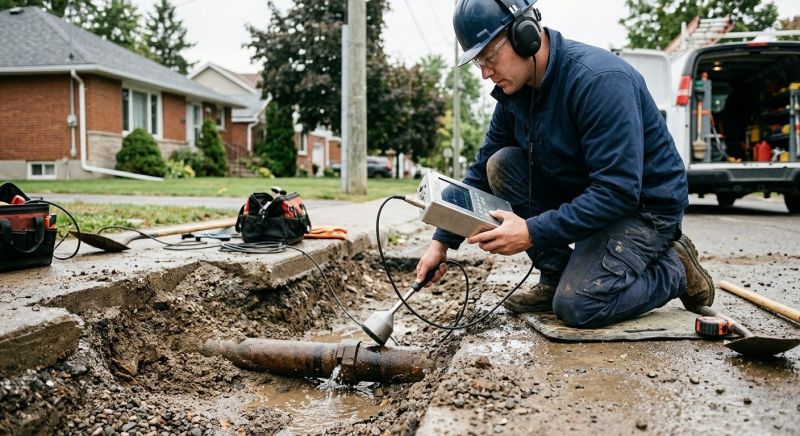
Pipe Leak Detection in Denver, CO
Pipe leak detection services help homeowners identify hidden leaks within plumbing systems, often before visible signs of water damage appear. This service is useful for a variety of projects, including locating leaks behind walls, under floors, or in underground pipes, as well as diagnosing persistent low water pressure or unexplained increases in water bills. Property owners typically want to understand the extent of the leak, the exact location, and the best approach for repairs to prevent further damage and ensure the plumbing system functions efficiently.
Before requesting pipe leak detection, property owners should consider the areas where leaks are suspected and any recent changes in water usage or unusual sounds in the plumbing. It’s also helpful to know if there are visible signs such as damp spots, mold, or musty odors, which may indicate hidden leaks. Clear communication about these concerns can assist in accurately diagnosing the problem and determining the most effective solution.
Many property owners in Denver, CO look into Pipe Leak Detection for repairs, replacements, upgrades, and appearance-related improvements.
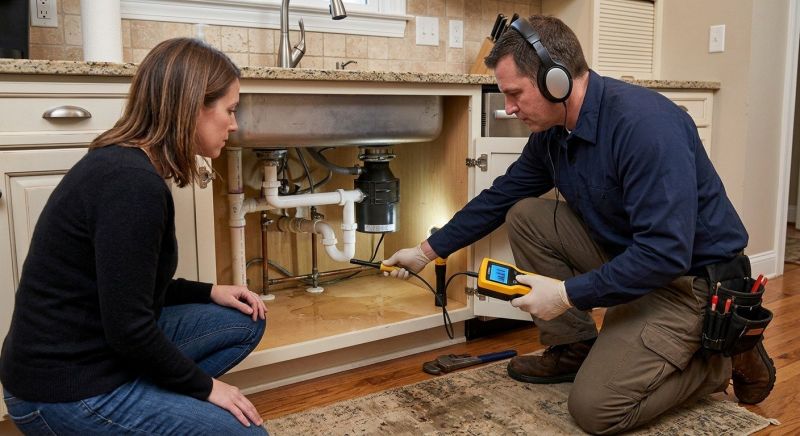
Identifying Hidden Leaks
Advanced detection methods reveal leaks that are not visible on the surface.
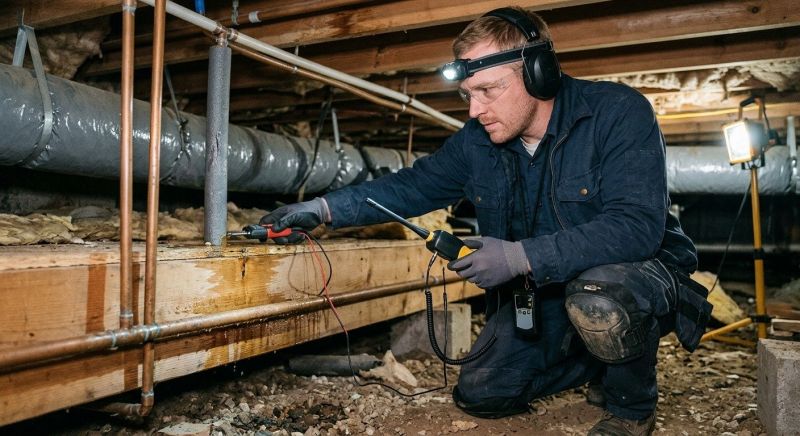
Preventing Water Damage
Timely leak detection helps avoid costly repairs and property damage in denver homes.
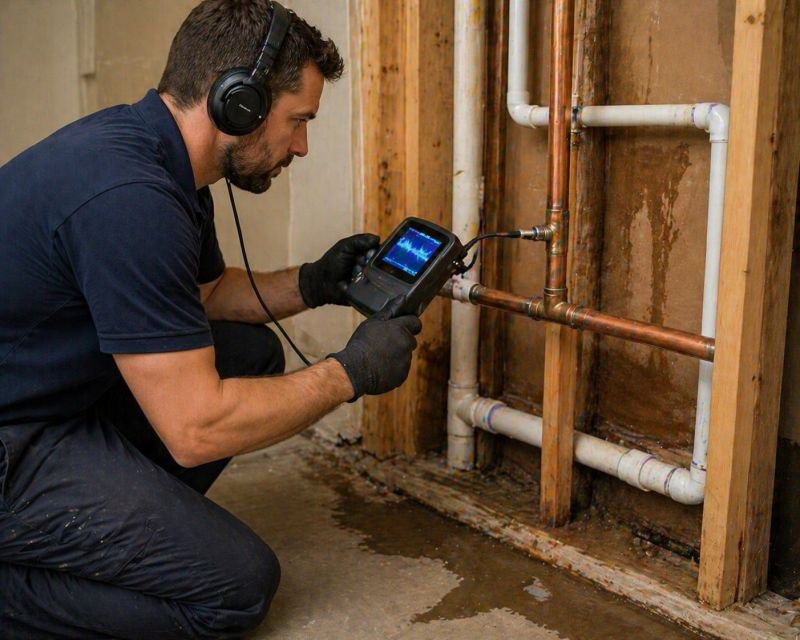
Minimizing Water Waste
Locating leaks early reduces unnecessary water consumption and utility costs.
Pipe Leak Detection in Denver, CO
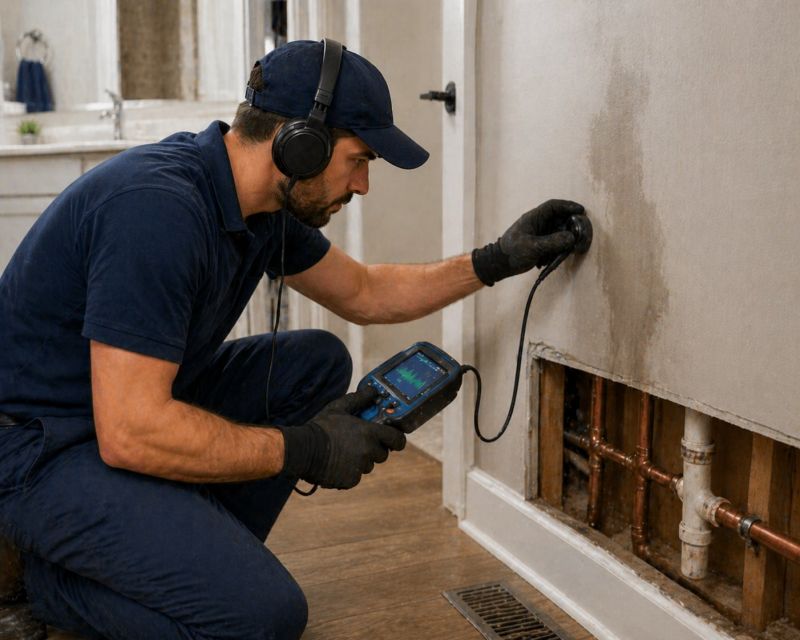
Pipe leak detection services help homeowners identify hidden leaks within plumbing systems, often before visible signs of water damage appear. This service is useful for a variety of projects, including locating leaks behind walls, under floors, or in underground pipes, as well as diagnosing persistent low water pressure or unexplained increases in water bills. Property owners typically want to understand the extent of the leak, the exact location, and the best approach for repairs to prevent further damage and ensure the plumbing system functions efficiently.
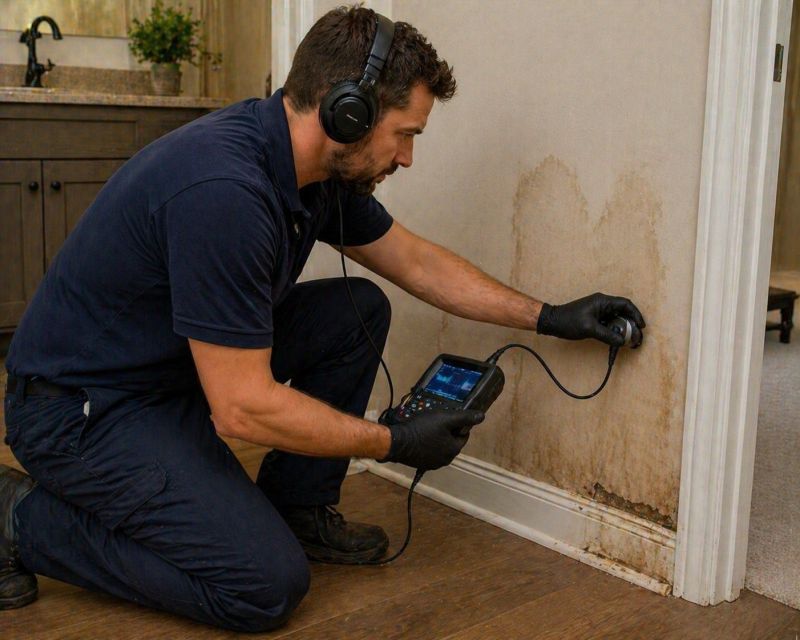
Before requesting pipe leak detection, property owners should consider the areas where leaks are suspected and any recent changes in water usage or unusual sounds in the plumbing. It’s also helpful to know if there are visible signs such as damp spots, mold, or musty odors, which may indicate hidden leaks. Clear communication about these concerns can assist in accurately diagnosing the problem and determining the most effective solution.
Many property owners in Denver, CO look into Pipe Leak Detection for repairs, replacements, upgrades, and appearance-related improvements.
Common Pipe Leak Detection Jobs
Underground pipe detection - pinpointing hidden leaks behind walls and under floors.
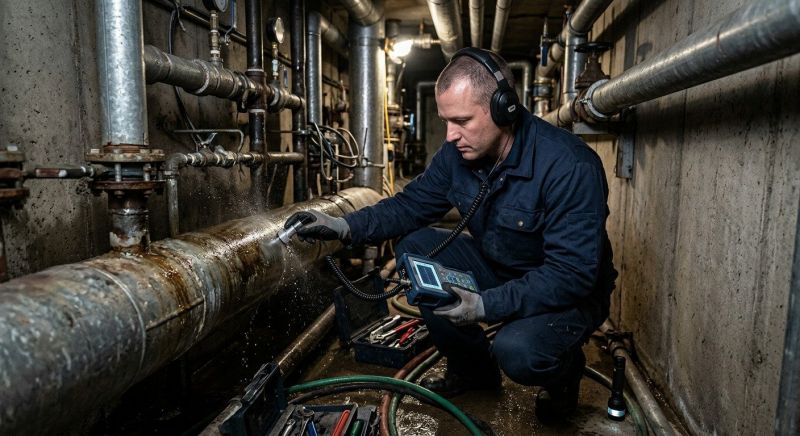
Municipal water line inspection - locating leaks in main water supplies to prevent damage.
Residential plumbing leak detection - identifying leaks in household pipes before extensive damage occurs.
Commercial property leak services - detecting leaks in large-scale plumbing systems for business buildings.
Slab leak detection - finding leaks beneath concrete slabs without unnecessary demolition.
Emergency leak location - quickly locating leaks to minimize water loss and property damage.
Pipe Leak Detection Questions
How can I tell if I have a pipe leak? Signs include unexplained increases in water bills, damp spots on walls or floors, or the sound of dripping water when no fixtures are in use.
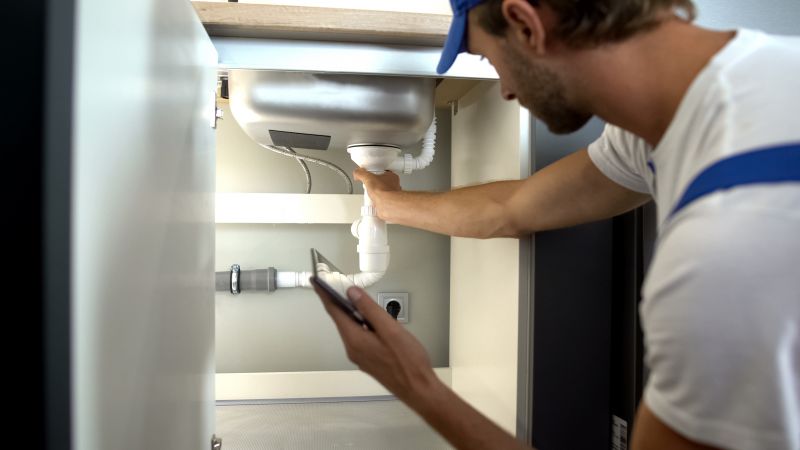
What areas are typically checked during leak detection? Common areas include underground pipes, behind walls, under sinks, and in basements or crawl spaces.
Will leak detection cause damage to my property? Modern methods aim to be minimally invasive, focusing on locating leaks without unnecessary disruption to surfaces or structures.
What types of pipe leaks are detectable? Both hidden leaks within walls or underground and visible leaks on exposed piping can be identified using specialized equipment.
Request Pipe Leak Detection in Denver, CO
Use the quote form on this page to share the basics of your project and request more information for the type of work you need.