Piping Replacement in Denver, CO
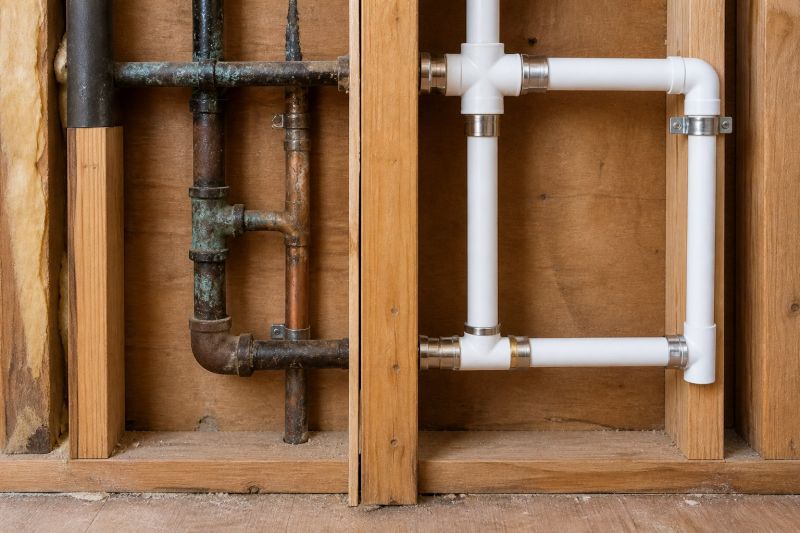
Piping replacement services involve removing and installing new water, gas, or drain pipes within a property to ensure proper functioning and safety. This type of project is commonly requested during significant plumbing upgrades, when old or corroded pipes cause leaks or reduced water quality, or when remodeling a home that requires updated infrastructure. Homeowners should understand the scope of the replacement, including which areas of the property will be affected, the materials used for the new piping, and any potential disruptions during the work. Clarifying these details can help ensure the project meets expectations and fits within the property's needs.
Property owners typically seek piping replacement to address issues such as frequent leaks, low water pressure, or outdated pipe materials like galvanized steel, which may no longer meet current standards. Before requesting service, it’s helpful to consider the age of existing pipes, the extent of any damage or corrosion, and whether any related plumbing components need updates. Understanding the overall goals for the replacement-whether for improved reliability, compliance, or future-proofing-can assist in planning the project effectively.
Many property owners in Denver, CO look into Piping Replacement for repairs, replacements, upgrades, and appearance-related improvements.
Signs You Need Piping Replacement
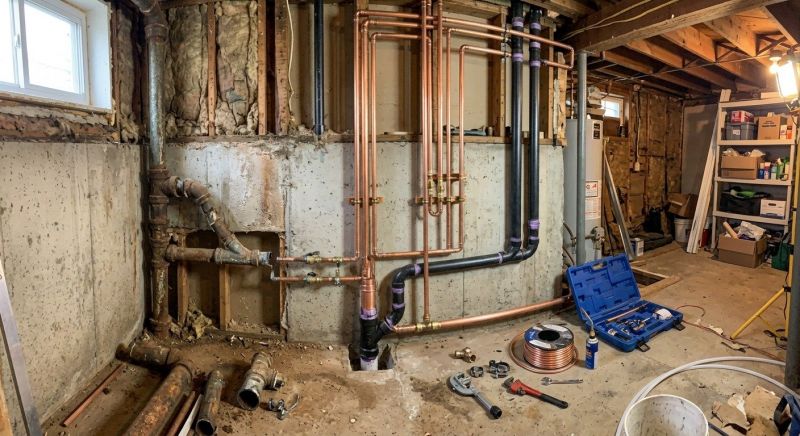
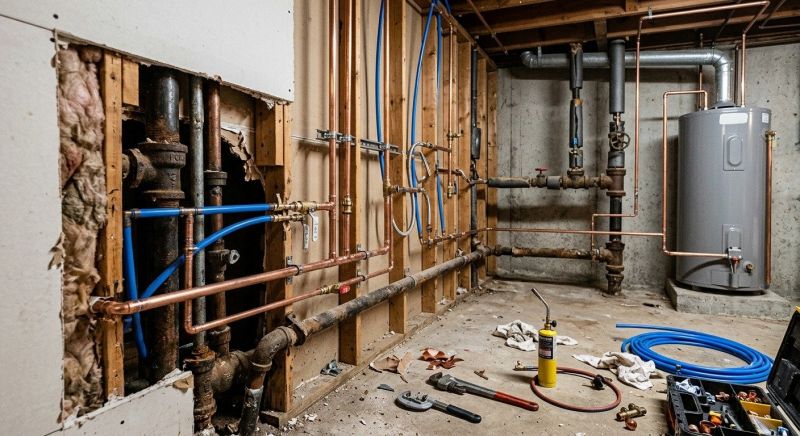
Corrosion, leaks, or low water pressure may indicate the need for pipe replacement in your denver home.
Types Of Piping Materials
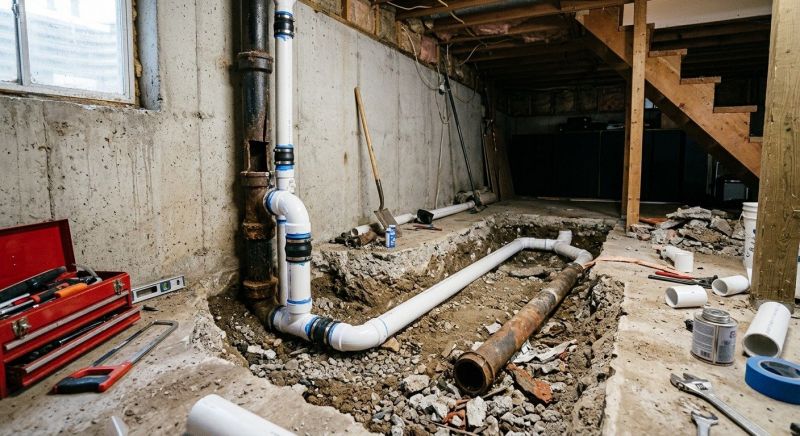
Common options include copper, pex, and galvanized pipes, each suited for different plumbing needs.
Benefits Of Piping Replacement
Upgrading pipes can improve water quality, prevent costly damage, and enhance overall plumbing system reliability.
Piping Replacement in Denver, CO
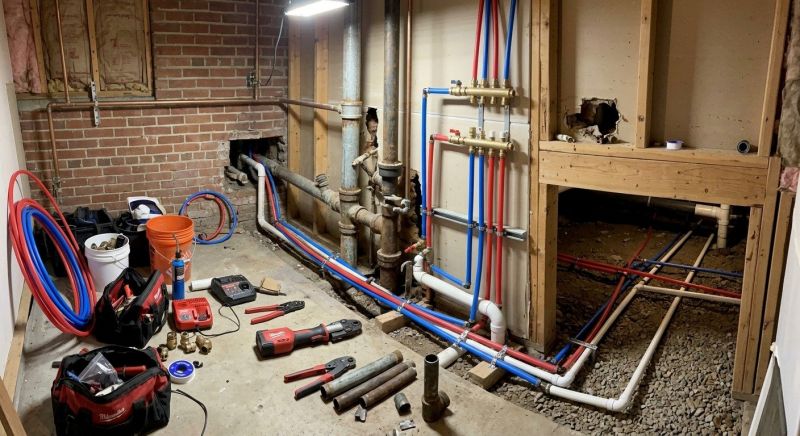
Piping replacement services involve removing and installing new water, gas, or drain pipes within a property to ensure proper functioning and safety. This type of project is commonly requested during significant plumbing upgrades, when old or corroded pipes cause leaks or reduced water quality, or when remodeling a home that requires updated infrastructure. Homeowners should understand the scope of the replacement, including which areas of the property will be affected, the materials used for the new piping, and any potential disruptions during the work. Clarifying these details can help ensure the project meets expectations and fits within the property's needs.
Property owners typically seek piping replacement to address issues such as frequent leaks, low water pressure, or outdated pipe materials like galvanized steel, which may no longer meet current standards. Before requesting service, it’s helpful to consider the age of existing pipes, the extent of any damage or corrosion, and whether any related plumbing components need updates. Understanding the overall goals for the replacement-whether for improved reliability, compliance, or future-proofing-can assist in planning the project effectively.
Many property owners in Denver, CO look into Piping Replacement for repairs, replacements, upgrades, and appearance-related improvements.
Common Piping Replacement Jobs
Residential piping replacement involves updating aging or damaged pipes to ensure reliable water flow throughout the home.
Commercial piping upgrades focus on replacing outdated or corroded pipes to support business operations and compliance.
Leak repair and pipe rerouting address urgent leaks and reroute pipes to improve system efficiency and prevent water damage.
Kitchen and bathroom pipe replacements improve water pressure and eliminate leaks in fixtures and appliances.
Main water line replacement ensures a steady supply of clean water by upgrading the primary pipe entering the property.
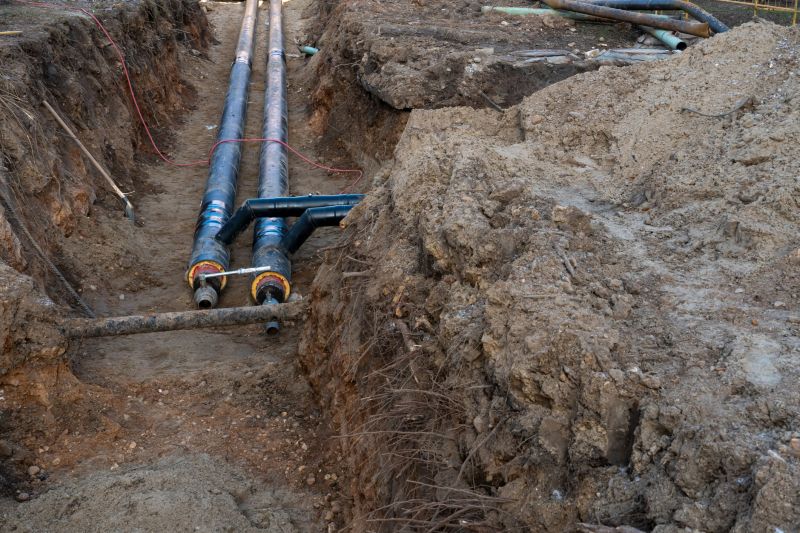
Underground piping replacement involves replacing buried pipes to prevent future leaks and maintain property integrity.
Piping Replacement Questions
When is piping replacement necessary? Piping replacement is often needed when pipes are corroded, leaking, or causing low water pressure in a property.
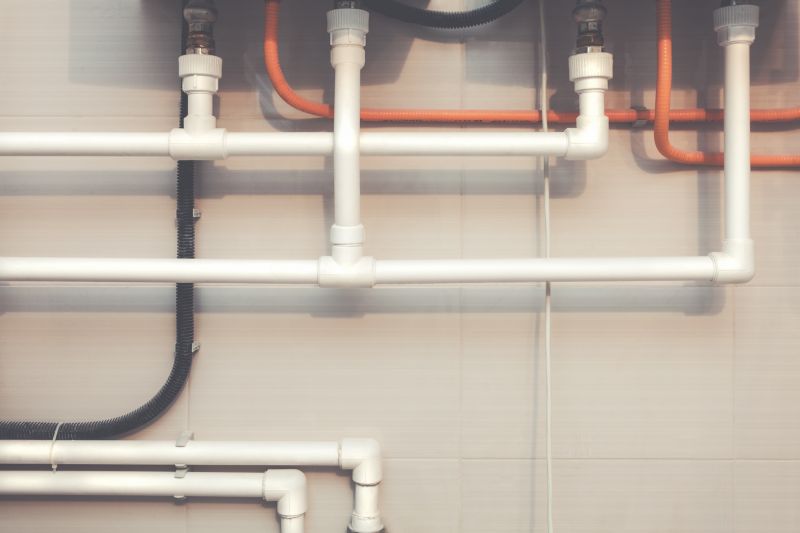
What types of pipes are commonly replaced? Commonly replaced pipes include copper, galvanized steel, and polybutylene plumbing lines.
How can property owners prepare for a piping replacement? Ensuring clear access to pipes and removing belongings from work areas can help facilitate the process.
What signs indicate a piping system needs attention? Signs include frequent leaks, discolored water, strange odors, or unexplained increases in water bills.
Request Piping Replacement in Denver, CO
Use the quote form on this page to share the basics of your project and request more information for the type of work you need.